Abstract Fabric Texture Sublimations: Transforming Digital Files into Real-World Creations
You know that moment when you are staring at a blank canvas, or perhaps a plain white t-shirt in your hands, and the idea is there but the visual texture is missing? That is where Abstract Fabric Texture Sublimations steps in. This isn't just about adding a pattern to a surface; it is about injecting depth, movement, and a professional finish into projects that would otherwise look flat or generic. Whether you are a small business owner trying to differentiate your brand or a hobbyist looking to create a unique gift, these textures bridge the gap between digital imagination and tangible reality.
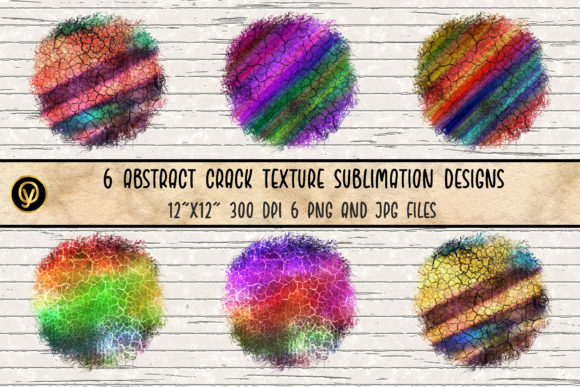
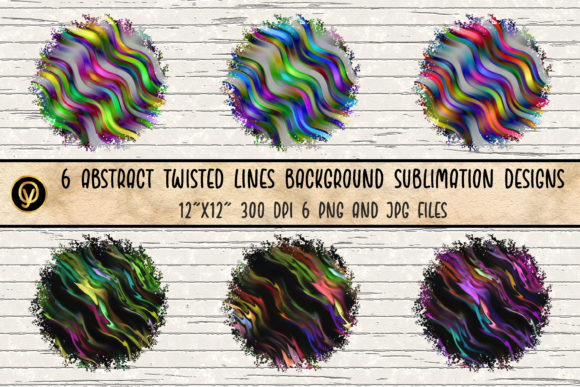
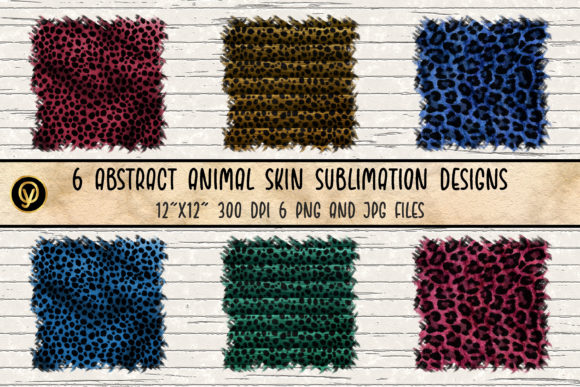
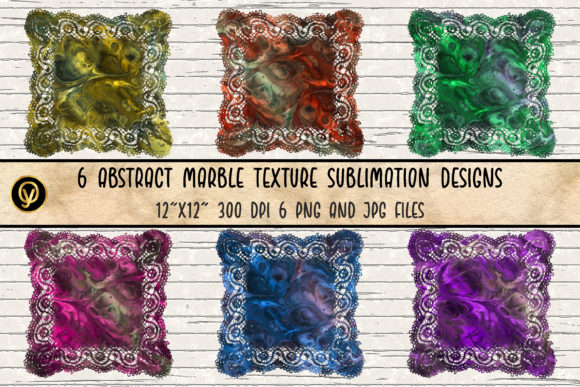
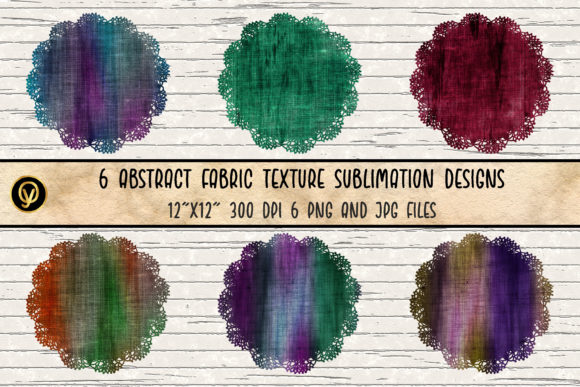
The specific pack we are discussing offers a curated collection of six high-quality designs available in both PNG and JPG formats. But beyond the file count, the real value lies in the specifications: 300 DPI resolution at 12×12 inches (3600×3600 pixels). Why does this matter to you? Because sublimation printing relies heavily on clarity. When you transfer an image from a computer screen to fabric, ceramic, or metal, any pixelation becomes glaringly obvious. These files are engineered to withstand the heat and pressure of the sublimation process without losing their intricate details, ensuring that the abstract swirls and organic shapes remain crisp whether they end up on a large banner or a delicate coffee mug.
Why Abstract Textures Work for Modern Design
In a world saturated with geometric patterns and rigid lines, abstract fabric textures offer something different: emotion and fluidity. They mimic the natural irregularities found in silk, linen, or watercolor washes, creating a sense of luxury and artistry. Unlike a standard floral print that might feel dated, an abstract design adapts to various aesthetics. It can be bold and energetic for streetwear or soft and subtle for home decor. The beauty of these six files is their versatility; they are not tied to a specific season or trend, making them a reliable asset for year-round projects.
When you download these files, you aren't just getting images; you are getting a toolkit for problem-solving. For instance, if you need to cover a large area like a wall or a banner, the 12×12 inch size allows you to tile the design seamlessly or use it as a standalone focal point. The inclusion of transparent PNG backgrounds is particularly crucial for designers who need to layer these textures over other elements without dealing with ugly white boxes around the edges.
Real-World Applications for Entrepreneurs and Makers
Let's talk about how this actually plays out in the real world. Imagine you run a small boutique clothing line. You have designed a series of t-shirts featuring motivational quotes, but the text alone feels too stark. By applying an Abstract Fabric Texture Sublimation as a background layer, you instantly elevate the garment. The texture adds a tactile quality to the visual, making the shirt feel more expensive and well-crafted before the customer even touches it.
For those involved in home decor, the possibilities expand significantly. Picture a set of throw pillows for a modern living room. A solid color pillow can be boring, but one printed with these high-resolution abstract textures brings a dynamic element to the space. You could combine two different textures from the pack to create a matching set, or use a single texture to accent a neutral sofa. The same logic applies to decorative packaging. If you sell handmade soaps or artisanal candles, wrapping them in paper or boxes featuring these textures signals quality and care to the recipient.
Digital and Social Media Projects
It is easy to forget that these files serve purposes far beyond physical printing. In the realm of web design and social media, visuals are the first thing users notice. A blogger updating their website header or an influencer designing a story highlight cover can use these textures to add depth to their digital presence. The transparent PNGs allow you to overlay the texture onto video footage or photos, creating a cinematic effect that stops the scroll. Instead of using a generic gradient, you can apply a subtle fabric texture to give your digital content a grounded, organic feel.
Educators and freelancers also find value here. A teacher creating custom classroom banners or a freelancer designing a presentation deck can use these assets to break up monotony. The high resolution ensures that when you project a slide or print a handout, the image remains sharp and professional. There is no excuse for blurry graphics when you have access to 300 DPI files tailored for such detailed work.
Considerations Before You Start Printing
While the potential is vast, successful sublimation requires a bit of preparation. The primary consideration is your substrate. Sublimation ink bonds best with polymer-coated surfaces or fabrics with a high polyester content. If you plan to print these abstract textures on 100% cotton, the colors will likely wash out or appear faded. To get the vibrant results shown in the previews, ensure your material composition matches the requirements of the sublimation process.
Another factor is color management. Your monitor might display the abstract hues differently than the final print. Since these files are high resolution, minor color shifts can become noticeable upon transfer. It is wise to run a test print on a scrap piece of material before committing to a full batch of products. This step saves money and prevents frustration, especially when working with complex color gradients inherent in abstract designs.
Additionally, consider the intended use of the final product. If you are making items like mugs or plates that will be washed frequently, ensure the sublimation process was done correctly to guarantee durability. The texture itself is durable, but the bond between the ink and the object must be strong. For apparel, think about the care instructions you will provide to customers. While the design won't fade easily, washing in cold water and turning garments inside out will preserve the integrity of the fabric texture longer.
Maximizing Value from a Single Pack
One of the most practical aspects of this pack is the dual format availability. Having both JPG and PNG files means you don't have to struggle with editing software to remove backgrounds. If you are using a simple design tool for a quick project, the JPGs are ready to go. If you are doing advanced compositing in Photoshop or Illustrator, the transparent PNGs save you hours of manual tracing. This flexibility caters to users of all skill levels, from the casual crafter to the seasoned graphic designer.
The 3600×3600 pixel dimension is also a strategic advantage. Many free or low-cost resources are limited to 72 DPI or smaller dimensions, which forces you to stretch the image and ruin the quality. With these files, you have the freedom to scale down for small tags or scale up for large displays without compromising the artistic intent. This scalability supports a wide range of business models, allowing you to start small with custom gifts and grow into larger production runs without needing to source new assets.
Ultimately, Abstract Fabric Texture Sublimations are about empowerment. They provide the raw materials needed to turn ideas into products that people want to buy, wear, and display. Whether you are launching a new product line, refreshing your home office, or simply exploring your creative side, having a library of high-quality, versatile textures removes the technical barriers that often hold creators back. The focus shifts from "how do I make this look good?" to "what should I create next?"
By understanding the nuances of sublimation and leveraging the specific qualities of these files—high resolution, transparency, and diverse formats—you can produce work that stands out in a crowded market. The difference between a mass-produced item and a bespoke creation often comes down to the details, and these abstract textures provide exactly the kind of detail that elevates a project from ordinary to extraordinary.