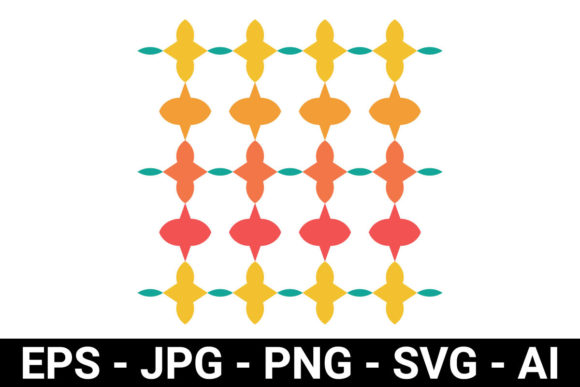
Abstract Pattern Perfect for Background: A Comprehensive Evaluation
In the realm of digital design and physical print production, the demand for versatile visual assets is constant. One specific category that has gained significant traction among professionals and hobbyists alike is the Abstract Pattern Perfect for Background. This collection represents a curated set of designs intended to serve as foundational elements for a wide array of creative projects. Unlike literal imagery that depicts specific objects or scenes, abstract patterns rely on shapes, colors, lines, and textures to create visual interest without a focal point. Understanding what this resource entails, its capabilities, and its limitations is essential for anyone looking to incorporate high-quality graphical elements into their workflow.
Understanding the Asset Collection
The term "Abstract Pattern Perfect for Background" refers to a ZIP folder containing a diverse suite of vector and raster files designed for seamless repetition. These assets are not merely decorative; they are engineered to function as continuous backdrops for various media. The collection typically includes multiple file formats such as AI (Adobe Illustrator), EPS (Encapsulated PostScript), SVG (Scalable Vector Graphics), JPG (Joint Photographic Experts Group), and PNG (Portable Network Graphics). This multi-format approach ensures compatibility across different software environments, from professional desktop publishing tools to web development platforms.
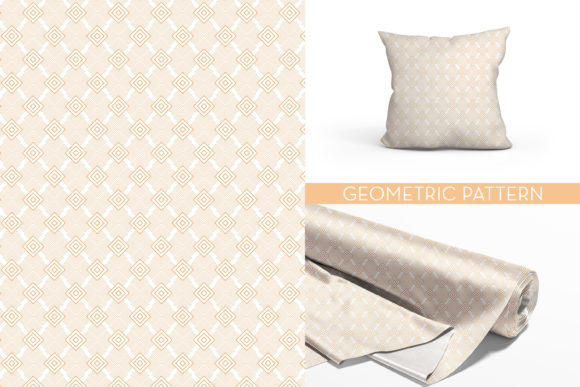
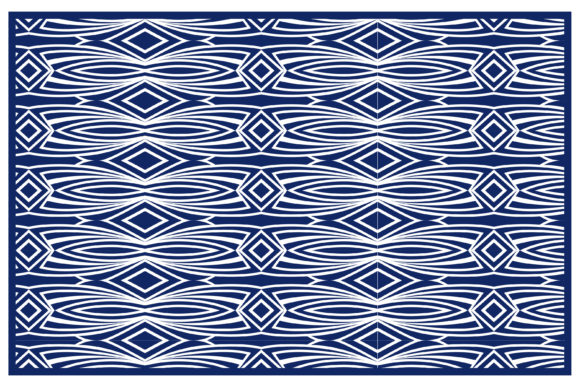
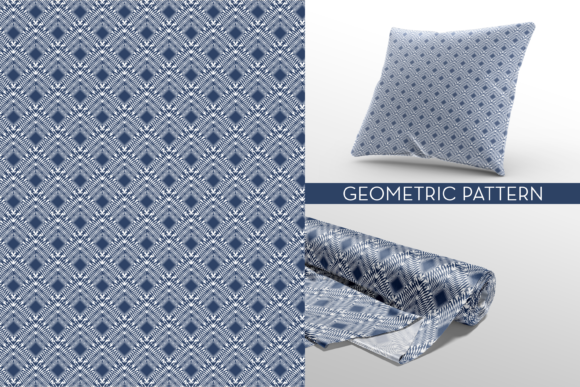
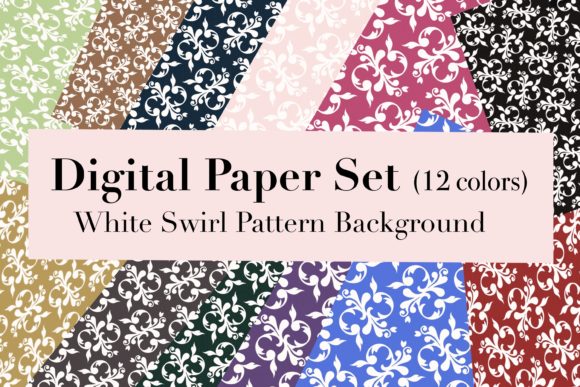
Visually, these patterns encompass a broad spectrum of styles. They may feature geometric precision with symmetric arrangements or organic, flowing lines that evoke an antique or textile feel. The color palettes range from bright and colorful configurations to more subdued, monochromatic schemes suitable for corporate branding. Whether the user requires a simple line-based texture or a complex, ornamental illustration, the core value of this collection lies in its ability to provide endless, repeatable artwork that can be scaled without loss of quality in vector formats.
Reasons for Interest and Practical Applications
Designers and content creators often seek out abstract background patterns to solve specific visual problems. The primary reason for interest is versatility. A single pattern asset can be utilized in fashion design for fabric prints, in graphic design for banner headers, or in interior design concepts for wallpaper mockups. Because the patterns are seamless, they can tile infinitely, making them ideal for large-scale applications where visible seams would be detrimental to the final output.
- Digital Media: Web developers use these assets to create engaging page backgrounds that do not distract from the primary content. The lightweight nature of SVG files ensures fast loading times while maintaining crisp edges on high-resolution displays.
- Print Production: Print designers leverage the high-resolution JPG and vector formats for creating packaging, textiles, and promotional materials. The ability to scale up from a small business card to a large format poster without pixelation is a critical advantage.
- Interior Visualization: Architects and decorators utilize these patterns to simulate wallpaper installations or fabric drapes in 3D renderings, providing clients with a realistic preview of textures and colors.
Benefits and Tradeoffs
Adopting an Abstract Pattern Perfect for Background offers several distinct benefits. The most significant advantage is efficiency. Instead of spending hours designing a unique texture from scratch, professionals can select a pre-made pattern that aligns with their aesthetic goals and integrate it immediately. This accelerates the design process, allowing for rapid prototyping and iteration. Furthermore, the inclusion of vector formats (AI, EPS, SVG) guarantees scalability. Users can resize these graphics to any dimension, ensuring that the design remains sharp whether viewed on a mobile screen or a billboard.
However, there are tradeoffs to consider. The generic nature of stock patterns means that they may lack the uniqueness required for highly specialized brand identities. If a project demands a completely original visual language, a standard pattern might appear too familiar or overused. Additionally, while the variety within the ZIP folder is extensive, the specific style—whether modern, trendy, or antique—must match the project's tone. A pattern that is too busy or colorful might compete with text or other graphical elements rather than supporting them. Therefore, careful selection and potential customization are necessary to ensure the pattern serves its intended purpose effectively.
Situations Where It Is a Strong Fit
This resource is particularly well-suited for projects that require a cohesive visual theme across multiple touchpoints. For instance, a marketing campaign launching a new product line might use a consistent abstract texture across social media banners, email newsletters, and printed brochures. The "seamless" and "repeat" characteristics of the patterns make them ideal for creating a sense of continuity and rhythm.
It is also a strong fit for industries where texture plays a crucial role, such as fashion and home decor. Designers working on textile collections can use these patterns as a starting point for fabric prints, knowing that the vector data allows for precise color matching and scaling. Similarly, in web design, where background images must load quickly and look good on all devices, the availability of optimized JPG and PNG versions alongside scalable vectors provides a robust solution.
When Alternatives May Be Worth Considering
While the Abstract Pattern Perfect for Background is a powerful tool, it is not the only solution available. In situations where a brand requires a strictly proprietary look, licensing restrictions associated with stock assets might be a concern. Some users may prefer commissioning a custom illustrator to create a one-of-a-kind pattern that cannot be found elsewhere.
Furthermore, if the design goal is to convey a specific narrative or emotion through literal imagery, abstract patterns may fall short. For example, a travel blog about a specific historical site would benefit more from authentic photography than a generic "antique" or "geometric" texture. In cases where the project involves complex 3D modeling that requires physically accurate surface mapping, pre-made 2D patterns might require significant modification to wrap correctly around complex geometries.
Practical Decision-Making Insights
To determine if this collection aligns with your goals, evaluate your current workflow needs against the provided features. First, assess your technical requirements. Do you need editable vector files for future adjustments? If so, the AI and EPS formats are indispensable. Are you focused on web performance? Then prioritize the SVG and optimized PNG options. Second, consider the aesthetic direction. Review the color and style variations within the folder to see if they complement your existing brand guidelines. A "bright, colorful" pattern might clash with a minimalist corporate identity, whereas a "simple, line" based design might enhance it.
Finally, think about the end-use environment. Will the pattern be overlaid with text? If so, choose a design with sufficient negative space or lower contrast to ensure readability. If the pattern will be the sole visual element, a more intricate "ornament" or "decorative" style may be appropriate. By systematically evaluating these factors, users can make an informed decision about whether the Abstract Pattern Perfect for Background collection will streamline their creative process or if a different approach is warranted.
In conclusion, this collection represents a valuable resource for anyone seeking flexible, high-quality graphical foundations. Its strength lies in its adaptability, offering a bridge between artistic expression and technical utility. Whether used for modern digital interfaces or traditional print media, the right pattern can elevate a design from functional to compelling, provided it is selected with intention and applied with care.