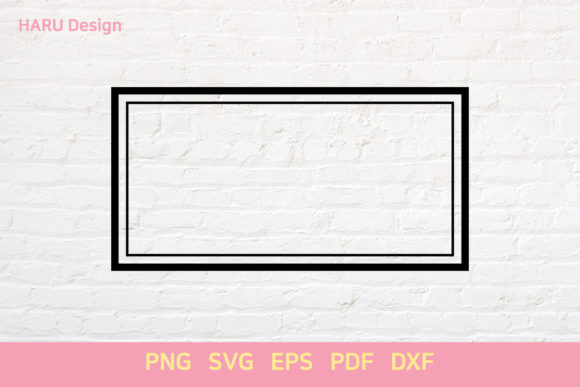
Rectangle Frame: The Essential Boundary for Precision and Workflow
In the chaotic landscape of modern digital creation, having a defined starting point is often the difference between a scattered effort and a polished outcome. The Rectangle Frame serves as that critical anchor. It is not merely a geometric shape or a decorative border; it is a functional tool used to establish boundaries, maintain consistency, and streamline the execution of complex projects. Whether you are a graphic designer preparing assets for print, a developer structuring a user interface, or an entrepreneur organizing a marketing campaign, understanding how to leverage a Rectangle Frame can significantly elevate the quality and efficiency of your work.
The concept extends far beyond simple drawing. In professional workflows, the Rectangle Frame acts as a container that dictates the scope of a task. By defining a specific area, usually set to standard dimensions like 12 inches by 12 inches, creators can ensure that their output remains scalable, compatible, and ready for various platforms without unnecessary distortion or reformatting. This approach aligns with best practices in planning and execution, where clarity of scope leads to better decision-making and higher-quality results.
Understanding the Core Functionality
At its most fundamental level, a Rectangle Frame provides structure. When working on a project, the lack of clear boundaries often leads to scope creep, where tasks expand uncontrollably. By establishing a Rectangle Frame early in the process, you create a visual and technical limit that guides all subsequent actions. This is particularly relevant when dealing with multi-format deliverables. A well-defined frame ensures that whether the final asset is viewed on a mobile screen, printed on a large poster, or embedded in a PDF report, the composition remains intact and professional.
The versatility of this tool lies in its ability to interact seamlessly with different file formats. Because the Rectangle Frame is designed to be adaptable, it supports a wide range of digital outputs. For instance, the SVG file format allows for infinite scalability, making the frame ideal for web applications and responsive designs where crisp lines are essential at any size. Similarly, the PNG file offers a rasterized version that retains high-quality transparency, perfect for overlaying graphics on websites or social media posts without losing detail.
For those involved in physical production, the integration becomes even more critical. The EPS file is a vector-based format widely used in the printing industry. When a Rectangle Frame is exported as an EPS file, it maintains its mathematical precision, allowing manufacturers to cut, print, or engrave the design with absolute accuracy. This compatibility ensures that the vision of the creator translates perfectly into the final physical product, bridging the gap between digital design and tangible reality.
Navigating File Formats for Specific Workflows
Different stages of a project require different tools, and the Rectangle Frame adapts to these needs through specific file types. Understanding which format to use at which stage is a key skill for professionals aiming to optimize their workflow.
- Planning and Editing: During the initial conceptual phase, the DXF file is invaluable. Widely used in computer-aided design (CAD) and engineering, DXF files allow for precise measurements and layer management. If you are building a custom display stand, creating a layout for a trade show booth, or designing architectural elements, using the Rectangle Frame in DXF format ensures that every dimension is exact before any physical materials are ordered.
- Documentation and Sharing: Once the design is finalized, the PDF file becomes the standard for distribution. PDFs preserve the layout, fonts, and vector data, making them ideal for sending client proofs, sharing instructional manuals, or archiving project records. A Rectangle Frame embedded in a PDF ensures that the document looks consistent across all devices, maintaining the integrity of the brand or message.
- Web and Interactive Use: For online presence, the SVG and PNG files take center stage. SVGs are lightweight and code-friendly, making them excellent for interactive icons or background patterns. PNGs provide the necessary pixel-perfect rendering for images that need to blend seamlessly into complex web layouts.
The ability to switch between these formats without losing the core definition of the Rectangle Frame is what makes it such a powerful asset. It eliminates the need for constant redesigns, saving time and reducing the risk of errors during the transition from one platform to another.
Integrating the Frame into Creative and Business Processes
The true value of the Rectangle Frame emerges when it is integrated into broader business and creative processes. It is not enough to simply have the file; it must be part of a systematic approach to work. Consider the lifecycle of a marketing campaign. Before a single ad is written or a video is shot, the team defines the parameters of their content. Using a 12-inch by 12-inch Rectangle Frame as a template helps teams visualize the "safe zone" where critical information must reside. This prevents important text or logos from being cropped out on different devices or in various print sizes.
For educators and bloggers, the Rectangle Frame serves as a consistent branding element. By using the same frame dimensions across blog post headers, social media graphics, and downloadable worksheets, creators build a recognizable visual identity. This consistency builds trust with the audience. When users see the familiar boundary, they immediately recognize the source and quality of the content. Furthermore, the 12x12 inch standard is highly practical for educational materials, as it fits well within standard page layouts and presentation slides, allowing for easy annotation and interaction.
In the realm of entrepreneurship, efficiency is paramount. Small business owners often wear multiple hats, managing everything from product design to customer service. Streamlining the design process with pre-set frames reduces the cognitive load required for each new project. Instead of spending hours setting up margins and bleed areas, the owner can focus on the content itself. The Rectangle Frame handles the structural heavy lifting, ensuring that every piece of collateral, from business cards to flyers, adheres to professional standards.
Practical Implementation and Quality Control
To get the most out of the Rectangle Frame, preparation is key. Before opening design software, it is helpful to understand the specific requirements of the end-user or the platform where the content will appear. Are there strict guidelines for bleed, safety margins, or resolution? Having the correct file formats ready—such as the DXF for cutting machines or the EPS for commercial printers—ensures that the workflow remains smooth.
Quality control is another vital aspect. Regularly checking the alignment and proportion of the Rectangle Frame against the original specifications helps catch errors early. For example, if a design intended for a 12x12 inch canvas is accidentally resized to fit a smaller screen without adjusting the internal elements, the result may look cluttered or unbalanced. By treating the frame as a rigid constraint rather than a flexible suggestion, creators can maintain high standards of visual harmony.
Organization also plays a significant role. Storing the various versions of the Rectangle Frame (SVG, EPS, PNG, PDF, DXF) in a dedicated library allows for quick access and reuse. This practice fosters a culture of efficiency where resources are shared and optimized. Over time, this accumulation of assets becomes a valuable company resource, reducing the time spent on repetitive setup tasks and allowing more energy to be directed toward innovation and strategy.
Long-Term Benefits of Structured Design
Adopting the Rectangle Frame methodology is not just about fixing immediate problems; it is about building a sustainable workflow for the future. As businesses grow and projects become more complex, the need for standardized components increases. The Rectangle Frame provides that stability. It allows teams to scale their operations without sacrificing quality or consistency.
Moreover, the flexibility of the 12x12 inch size makes it universally applicable. It is large enough to hold detailed information yet small enough to be easily managed on standard workstations. This balance makes it suitable for a wide array of applications, from personal hobby projects to enterprise-level marketing campaigns. By mastering the use of this tool, professionals can navigate the complexities of modern design with confidence, knowing that their foundation is solid.
In conclusion, the Rectangle Frame is much more than a simple shape. It is a strategic tool that enhances planning, execution, and quality control across diverse fields. Whether you are leveraging the precision of a DXF file for manufacturing, the scalability of an SVG for the web, or the reliability of a PDF for documentation, the Rectangle Frame provides the necessary structure to turn ideas into reality. By integrating this approach into your daily routine, you can achieve greater efficiency, consistency, and professional impact in all your endeavors.