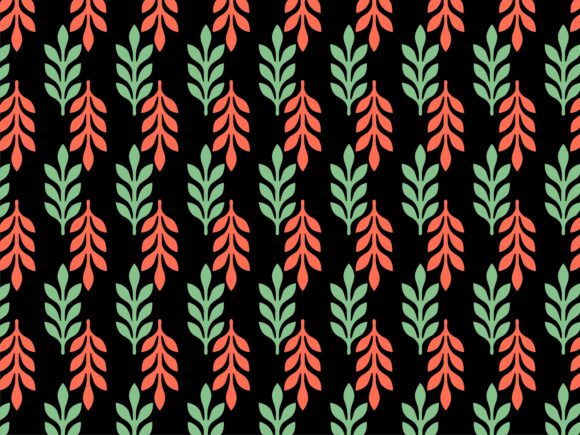
Unlocking the Beauty of Leaf Patterns 3: A Complete Guide to Versatile Vector Design Assets
In the ever-evolving landscape of digital and print design, finding high-quality, versatile assets is crucial for creating professional-grade work. Among the most timeless and adaptable elements in graphic design are botanical motifs. Specifically, Leaf Patterns 3 represents a curated collection that bridges the gap between natural beauty and modern aesthetic requirements. Whether you are a seasoned graphic designer, a fashion illustrator, or a DIY enthusiast looking to add a touch of nature to your home decor, understanding the capabilities of this asset pack is essential.
This comprehensive guide explores the significance of leaf patterns in design, breaks down the technical specifications of the Leaf Patterns 3 zip file, and illustrates how these vector graphics can transform projects ranging from summer textiles to corporate branding. We will delve into why seamless, high-resolution botanical illustrations remain a cornerstone of creative expression in the 21st century.
The Timeless Appeal of Botanical Illustration
Nature has always been the ultimate source of inspiration for human creativity. From ancient cave paintings to contemporary digital interfaces, plants and foliage have served as symbols of life, growth, and renewal. In the context of graphic design, leaf patterns offer a unique advantage: they are organic yet structured. They bring a sense of calm and familiarity to any visual composition while providing endless opportunities for variation.
The concept of using leaves as a decorative element goes beyond simple decoration. It speaks to a desire for connection with the natural world, especially in urban environments where greenery might be scarce. This psychological connection makes botanical designs highly effective in marketing materials, packaging, and interior design. When a consumer sees a clean, elegant floral pattern, their brain often associates it with freshness, sustainability, and organic quality.
Furthermore, the versatility of leaves allows them to fit into diverse themes. A single silhouette of a branch can convey the stark elegance of winter, while a colorful, detailed blossom arrangement screams of summer vibrancy. This adaptability is why foliage remains a staple in the designer's toolkit.
Inside the Leaf Patterns 3 Collection
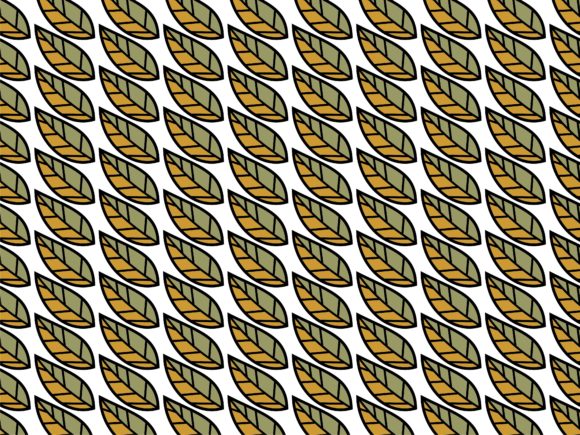
The Leaf Patterns 3 package is designed to cater to a wide array of professional needs. It is not merely a collection of images; it is a comprehensive resource library contained within a convenient zip file. The value of this specific collection lies in its multi-format availability, ensuring that users can utilize the assets across various platforms without compromising quality.
- EPS Format: The Encapsulated PostScript (EPS) format is the gold standard for professional printing and large-scale production. Because it is a vector format, designers can scale the leaf graphics to the size of a billboard or a business card without losing any sharpness. This makes it ideal for textile printing, signage, and industrial manufacturing.
- PNG Format: For web designers and social media managers, the Portable Network Graphics (PNG) format is indispensable. The inclusion of a transparent background in the PNG files means these elements can be layered over any color or image seamlessly. This feature is critical for creating custom wallpapers, website headers, and app icons.
- SVG Format: Scalable Vector Graphics (SVG) are perfect for modern web development. SVGs allow for interactive design and responsive layouts where the graphics automatically adjust to different screen sizes. Using vector lines and curves, SVGs ensure that your digital designs look crisp on everything from mobile phones to 4K monitors.
One of the standout features of this collection is the resolution. With a specification of 300 dpi (dots per inch), the images are optimized for high-definition printing. This ensures that when you print a fabric swatch, a greeting card, or a magazine spread, the outline and contour details remain razor-sharp, avoiding the pixelation that plagues lower-quality raster images.
Practical Applications in Modern Design
How do these assets translate into real-world applications? The utility of Leaf Patterns 3 extends far beyond simple decoration. Let's explore how professionals and hobbyists alike integrate these designs into their workflows.
Fashion and Textile Design
The fashion industry relies heavily on repeat patterns. Designers use seamless textures to create fabrics for clothing, scarves, and accessories. By utilizing the continuous nature of the patterns in this pack, a designer can generate an infinite roll of fabric that aligns perfectly at the edges. The simple yet elegant style of the doodle and sketch variations allows for both minimalist streetwear and elaborate evening gowns.
Interior Decor and Wallpapers
In home styling, wallpaper is a powerful tool for setting the mood of a room. A modern abstract leaf pattern can turn a boring living room wall into a focal point. Because the patterns come in white outlines or filled colors, they can be easily recolored to match existing furniture palettes. The decoration aspect is enhanced by the ability to layer these graphic elements with other textures, creating depth and visual interest.
Branding and Editorial Design
For businesses aiming to project an eco-friendly or organic image, botanical motifs are the go-to choice. Think of organic skincare brands, tea companies, or wellness apps. The art style of Leaf Patterns 3 provides a sophisticated backdrop for logos and brochures. The line drawing options are particularly useful for creating illustration-heavy editorial layouts in magazines and blogs, adding a hand-crafted feel to digital content.
Digital Art and Social Media
In the realm of digital creation, the transparency of the PNG files is a game-changer. Content creators can overlay branch silhouettes onto photos, add flower accents to video thumbnails, or create animated sequences using the vector data. The style ranges from colorful and vibrant to monochromatic and minimalist, allowing for a consistent brand voice across different channels.
Clarifying Common Misconceptions
When discussing vector graphics and pattern packs, there are often misunderstandings that can lead to frustration. It is important to clarify a few key points to ensure you get the most out of Leaf Patterns 3.
Misconception 1: "Vector files are only for big printers."
While EPS and SVG files are indeed superior for large-scale printing, they are equally valuable for web design. Unlike JPEGs, which become blurry when enlarged, vector files maintain their integrity regardless of size. This means a single asset can serve both a small Instagram story and a large outdoor banner.
Misconception 2: "Transparent backgrounds mean the file is low quality."
This is a common confusion. A transparent background simply means the area around the subject is invisible, allowing it to blend into any background color. The quality of the image itself depends on the resolution (300 dpi in this case) and the format (PNG). High-quality transparency is a feature, not a bug.
Misconception 3: "Seamless patterns are hard to edit."
On the contrary, because these are created as repeats in vector software, editing them is often easier than working with raster images. You can change the color of a specific leaf, adjust the spacing, or rotate the entire pattern without worrying about jagged edges or lost detail.
Building a Creative Workflow with Nature
Incorporating nature into your workflow does not require extensive artistic training. Tools like Adobe Illustrator, CorelDRAW, and even free online vector editors allow users to manipulate these elements with ease. The process typically involves importing the svg or eps file, ungrouping the layers if necessary, and applying your own color palette.
For educators, these patterns serve as excellent teaching tools for lessons on geometry, symmetry, and biological structures. Students can analyze the contour of a leaf and recreate it, learning about the balance between organic randomness and mathematical precision. In business, using high-quality decorative assets elevates the perceived value of products, signaling attention to detail and professionalism.
The spring and summer themes inherent in these designs make them particularly relevant during those seasons, but their neutral tones allow them to be used year-round. A black and white sketch of a tree branch can evoke the feeling of late autumn or early winter, proving that the seasonality of the design is determined by the user's application.
Conclusion
Leaf Patterns 3 is more than just a download; it is a gateway to enhancing creativity across multiple disciplines. By offering a robust selection of formats including eps, png, and svg, along with a high resolution of 300 dpi, this collection empowers designers to execute their vision with precision and flair. Whether you are designing a fabric for a new clothing line, creating a wallpaper for a cozy bedroom, or developing a brand identity for a startup, the versatility of these botanical assets is unmatched.
As we continue to seek ways to integrate nature into our digital and physical lives, resources like this become increasingly vital. They remind us that even in a world dominated by screens and algorithms, the beauty of a leaf or a blossom remains a universal language of art. By mastering these tools and understanding their potential, you can elevate your projects from ordinary to extraordinary, bringing a touch of the garden to every corner of your creative endeavors.