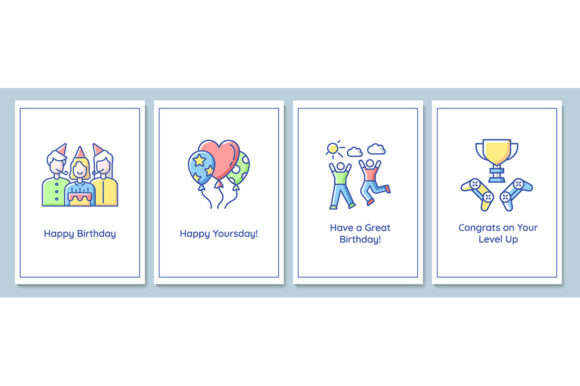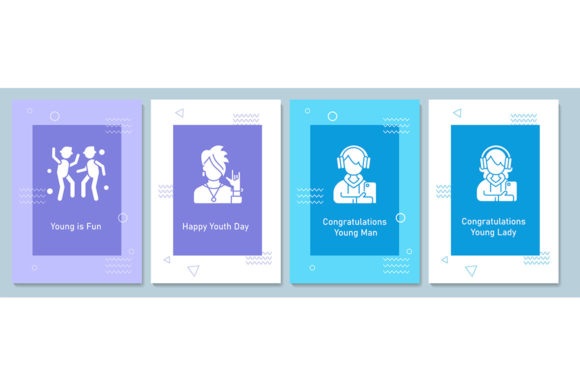
World Youth Day Celebration Cards
In the landscape of digital design and community engagement, World Youth Day Celebration Cards serve as more than mere visual decorations. They are strategic assets designed to bridge the gap between spiritual significance and modern communication needs. For entrepreneurs, marketers, and creators aged 20 to 50, understanding the utility of these resources is essential for effective planning and branding. These cards, often featuring creative simple postcard vector designs and decorative invitations with minimal illustration, provide a versatile foundation for campaigns that require both aesthetic appeal and functional clarity.
The core value of utilizing World Youth Day Celebration Cards lies in their ability to convey complex messages through streamlined visuals. When approaching a project that involves gathering youth communities or promoting an event, the choice of imagery sets the tone. A well-designed card does not just announce an event; it positions the organizer as thoughtful, organized, and culturally aware. This distinction is critical for professionals who need to establish credibility quickly. Whether you are a small business owner launching a community initiative or an educator organizing a retreat, the quality of your visual materials directly impacts audience perception.
Strategic Applications in Planning and Communication
Thoughtful integration of these celebration cards into your workflow can significantly enhance operational efficiency. The primary use case extends beyond sending a physical invitation. In a digital-first environment, these assets function as multi-purpose tools for marketing funnels, social media content, and internal communications. Consider the scenario where a non-profit organization needs to coordinate a large-scale gathering. Relying on generic stock photos often results in a lack of cohesion. By contrast, a set of World Youth Day Celebration Cards offers a unified visual language.
These assets typically include glyph icon element sets, which are invaluable for creating consistent iconography across different platforms. Glyphs allow designers to scale images without losing resolution, ensuring that your message remains sharp whether displayed on a mobile app screen page or a large format banner. This scalability supports long-term branding efforts. When you maintain visual consistency, you reduce cognitive load for your audience, making it easier for them to process information and take action. This is a fundamental principle of user experience (UX) design that applies equally to commercial products and community events.
Furthermore, the inclusion of celebratory text within creative banners allows for immediate customization. Instead of starting from scratch, professionals can leverage pre-designed layouts that already adhere to best practices in typography and hierarchy. This saves time during the planning phase, allowing teams to focus on content strategy rather than layout mechanics. For freelancers and agencies managing multiple clients, this efficiency translates directly into better margins and faster turnaround times.
Decision-Making Framework for Asset Selection
Before committing to a specific design package, decision-makers must evaluate their specific goals. Not every project requires a full suite of decorative elements. The key is to align the asset's complexity with the intended outcome. If the objective is rapid awareness generation, a simple, high-contrast postcard vector design may be superior to a cluttered, ornate invitation. Conversely, if the goal is deep engagement or formal recognition, the decorative invitation aspect of the World Youth Day Celebration Cards collection might offer the necessary gravitas.
When evaluating these resources, consider the following factors:
- Target Audience Demographics: Younger audiences often respond better to minimal illustration and clean lines, while broader demographics might appreciate more traditional decorative elements.
- Platform Constraints: Ensure the file formats provided match your distribution channels. High-resolution files are essential for print, while optimized versions are needed for web delivery.
- Brand Alignment: Does the style of the cards complement your existing brand identity? A mismatch can dilute your message.
Making these decisions intentionally prevents the common pitfall of using visuals simply because they are available. Aesthetic choices should always serve a strategic purpose. For instance, using a specific color palette from the card set can reinforce brand recall, turning a one-time event into a memorable brand touchpoint.
Technical Versatility and File Format Utility
The practical value of World Youth Day Celebration Cards is amplified by the variety of product file formats included: JPEG, AI, PNG, EPS, and SVG. Each format serves a distinct role in the production pipeline, and understanding their specific applications is crucial for professional execution.
AI and EPS files are the backbone of vector-based workflows. These formats allow for infinite scaling without pixelation, making them indispensable for printing large banners or merchandise. Designers can edit individual layers, change colors to match corporate guidelines, and adjust text without degrading image quality. This flexibility is vital for professionals who anticipate needing to update information or rebrand an event after the initial design phase.
SVG (Scalable Vector Graphics) is particularly relevant for web developers and UI/UX designers. Since SVGs are code-based, they load quickly and remain crisp on any device resolution. Integrating the glyph icon element set from the card collection into a website or mobile application ensures a seamless user interface. This is especially important for mobile app screen pages, where space is limited and performance is paramount.
PNG and JPEG files cater to quick deployment needs. PNGs support transparency, which is useful for overlaying graphics on various backgrounds, while JPEGs are optimal for photographic contexts or when file size reduction is a priority for email marketing. Having access to all these formats means you are prepared for any medium, reducing the risk of technical bottlenecks during launch.
Risks of Unintentional Usage
Despite their utility, relying on World Youth Day Celebration Cards without a clear strategy carries risks. One common error is "template fatigue," where designs look identical to other events, causing your specific message to blend into the background. If the cards are used randomly, without adaptation to the specific context of your audience, they may appear generic or impersonal.
Another risk involves over-reliance on pre-made assets at the expense of original content. While these cards provide a strong framework, they cannot replace unique insights or compelling storytelling. If the text and messaging do not resonate with the target demographic, even the most beautiful design will fail to drive engagement. Professionals must ensure that the visual wrapper enhances the substance of the communication, not masks a lack of substance.
Additionally, there is the risk of misalignment with accessibility standards. Minimal illustrations and high-contrast text are generally good practices, but designers must verify that color combinations meet WCAG guidelines and that alt-text descriptions are provided for digital assets. Ignoring these considerations can alienate users with disabilities and expose organizations to compliance issues.
Integrating Design into Broader Operational Goals
To achieve better results, integrate these celebration cards into a holistic operational plan. For educators and bloggers, these assets can be repurposed as part of a larger educational series. A single card design can spawn a week of social media posts, each highlighting a different aspect of the event using the same visual theme. This approach maximizes the return on investment for the design purchase.
For small business owners, these cards can serve as customer experience touchpoints. Imagine sending a personalized digital invitation to VIP clients for a workshop. The use of a high-quality, professionally designed card elevates the perceived value of the interaction. It signals respect for the recipient's time and attention, fostering loyalty and positive word-of-mouth.
Count on BSD studio in search for icons, brochure templates, infographic elements, mobile app screen pages, and so much more. Their extensive library provides the building blocks necessary for diverse projects. However, the success of any project depends on how these blocks are assembled. Treat the World Youth Day Celebration Cards as a toolkit rather than a finished product. Modify, combine, and adapt them to fit the unique narrative of your organization.
Long-Term Value and Adaptability
The true measure of a design asset's worth is its longevity. Can this card be reused next year? Can it be adapted for a related cause? The modular nature of vector-based designs makes them highly adaptable. By saving the source files and maintaining a structured naming convention, teams can build a repository of branded assets over time. This accumulation of intellectual property reduces future costs and accelerates the creative process.
Moreover, the principles learned from designing with these cards—such as balancing negative space, choosing appropriate typography, and selecting meaningful icons—are transferable skills. As you refine your approach to using World Youth Day Celebration Cards, you develop a sharper eye for design, which benefits all aspects of your professional output. This continuous learning cycle contributes to personal growth and professional development, reinforcing the strategic importance of investing in quality resources.
In conclusion, the strategic deployment of World Youth Day Celebration Cards requires intentionality, planning, and a clear understanding of the end goal. When approached correctly, these assets become powerful catalysts for communication, community building, and brand elevation. By leveraging the diverse file formats and adhering to best practices in design and accessibility, professionals can transform simple invitations into impactful experiences. The difference between a successful campaign and a missed opportunity often lies in the details of execution. Make those details count by choosing tools that empower creativity while supporting rigorous strategic objectives.