Flower and Ribbon: Elevating Embroidery Projects with Sweet, Colorful Accents
In the expansive world of textile arts, few elements capture the imagination quite like Flower and Ribbon. This specific motif represents a convergence of natural beauty and structured elegance, offering a versatile canvas for creators across various disciplines. Whether you are an industrial manufacturer looking to add value to home goods or a hobbyist seeking to personalize a gift, this design philosophy provides a unique aesthetic that transcends simple decoration. The concept of stitching floral patterns interwoven with ribbon textures has evolved from traditional handwork into a sophisticated digital capability, allowing for intricate details that were previously time-prohibitive.
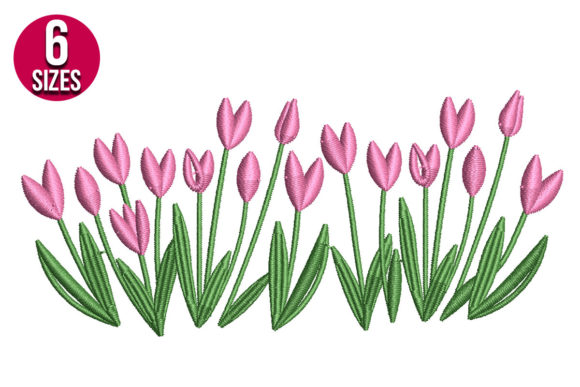
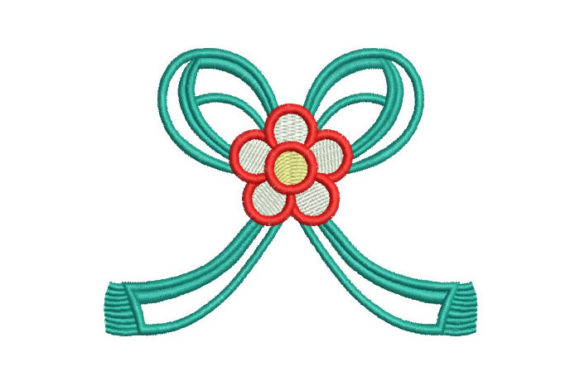
The core appeal lies in the visual harmony created when organic shapes meet linear precision. A flower embroidery design is not merely about depicting a bloom; it is about capturing the softness of petals alongside the sleek, defined lines of a ribbon. When rendered in cute and colorful palettes, these designs evoke a sense of whimsy and warmth. They transform utilitarian objects into conversation pieces, adding a sweet accent that feels both handmade and professionally executed. This article explores the multifaceted nature of this embroidery style, examining its applications, technical advantages, and the creative potential it unlocks for diverse audiences.
The Artistic Dynamics of Cute and Colorful Designs
Understanding the visual language of cute and colorful embroidery requires an appreciation for color theory and texture. Unlike monochromatic or strictly realistic botanical illustrations, designs categorized under this umbrella prioritize vibrancy and charm. The palette often features pastel pinks, sunny yellows, mint greens, and sky blues, creating an atmosphere that is inviting and cheerful. However, the "cute" aspect is balanced by the structural integrity provided by the ribbon element. Ribbons introduce a contrasting texture—a smooth, slightly reflective surface that stands out against the matte finish of standard thread used for petals.
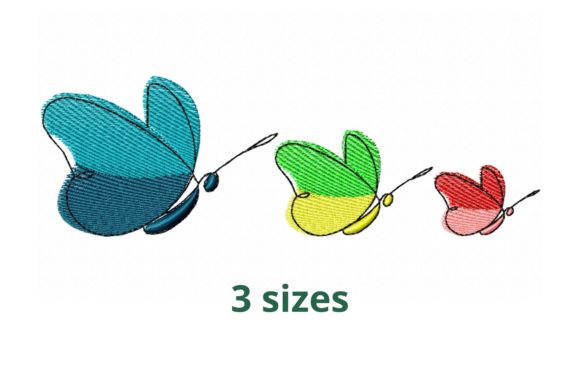
This combination allows for a dynamic interplay of light and shadow within the stitch work. The ribbon component can be simulated using satin stitches that mimic the sheen of silk or organza, while the flower parts utilize fill stitches to create volume and depth. For professionals in the fashion industry, this duality offers a way to incorporate high-end detailing without the cost of actual fabric ribbons being sewn on separately. By integrating the ribbon directly into the machine embroidery file, designers achieve a seamless look where the decorative elements appear to grow naturally from the base fabric. This technique is particularly effective for children's apparel, bridal accessories, and home decor items where a touch of fantasy is desired.
Visual Impact on Different Textiles
The effectiveness of a Flower and Ribbon design is heavily dependent on the substrate. On a sturdy cotton canvas, the colors pop vividly, making the design ideal for tote bags and aprons. Conversely, on delicate silks or satins used for evening wear, the same design might require a lighter touch in stitch density to prevent puckering while maintaining the vibrant hue. The versatility of the design means it can be adapted to suit the weight and weave of the material. Educators often use this topic to teach students about thread tension and fabric stabilization, as the contrast between the dense ribbon stitches and the airy flower centers requires precise calibration.
- Pastel Palettes: Soft gradients that blend seamlessly, perfect for nursery themes or spring collections.
- Bold Contrasts: High-saturation colors that make a statement on dark backgrounds, suitable for modern streetwear.
- Mixed Media: Combining metallic threads with standard cotton to enhance the ribbon effect, adding a luxurious feel.
Practical Applications Across Industries
The utility of this embroidery style extends far beyond the craft room. Its adaptability makes it a valuable asset for businesses ranging from small boutiques to large-scale manufacturers. The ability to place a Flower and Ribbon motif on various surfaces opens up a multitude of commercial opportunities. For instance, in the home furnishing sector, these designs are frequently applied to decorative pillows and curtains. A set of throw pillows featuring a colorful bouquet with trailing ribbons can instantly update the look of a living room, adding a personalized touch that mass-produced furniture lacks.
Towels present another excellent opportunity. While towels are functional, they also serve as gifts. Embroidering a cute floral pattern with ribbon accents on bathrobes or hand towels adds a level of perceived value that encourages customers to purchase higher-priced items. In the apparel sector, the possibilities are endless. From denim jackets and baseball caps to baby onesies and maternity wear, the design serves as a focal point. It is particularly popular in the wedding industry, where bridesmaids' sashes, garter belts, and even wedding invitations often feature this specific aesthetic to convey romance and attention to detail.
For educators and researchers studying textile trends, the Flower and Ribbon motif serves as a case study in the evolution of domestic crafts into commercial products. It illustrates how digital technology has democratized complex design techniques, allowing for the replication of intricate hand-stitched patterns with machine precision. This shift has enabled faster production times while maintaining the artisanal quality that consumers seek.
Integration into Decorative Pillows and Curtains
When applied to home textiles, the design must account for scale and placement. On a large curtain panel, a repeating pattern of flowers and ribbons can create a border effect that frames a window beautifully. The colorful nature of the design ensures that it catches the eye without overwhelming the space. For pillows, the design is often centered or placed asymmetrically to create a modern, eclectic vibe. The durability of machine embroidery ensures that these decorative elements withstand frequent washing, which is a critical consideration for home goods that see regular use.
The process involves selecting the appropriate stabilizer to support the fabric during stitching. For heavy fabrics like those used in outdoor curtains, a tear-away or cut-away stabilizer provides the necessary foundation to prevent the stitches from sinking into the material. This technical preparation ensures that the final product retains its shape and the colors remain vibrant over time.
Technical Versatility and File Formats
One of the most significant advantages of modern embroidery designs is their compatibility with a wide range of machinery. The Flower and Ribbon design mentioned here comes with multiple embroidery file formats, ensuring that users do not need to invest in a single brand of equipment to access the artistry. Whether you own a domestic sewing machine with embroidery capabilities or a multi-needle industrial unit, the design files can be adapted to fit your specific workflow.
Common formats include .PES for Brother machines, .DST for Tajima and other industrial systems, .EXP for Melco, and .JEF for Janome. This cross-compatibility is essential for business owners who may need to send orders to different facilities or for hobbyists who share projects with friends who own different brands of machines. The inclusion of multiple formats removes barriers to entry, allowing a broader audience to engage with this type of creative work.
- Universal Compatibility: Files are optimized to translate stitch data accurately across different software ecosystems.
- Scalability: Digital files allow for resizing without losing the integrity of the ribbon or flower details.
- Color Separation: Designs often come pre-segmented by color, simplifying the threading process for the operator.
Furthermore, the technical structure of the design accounts for the mechanical limitations of embroidery machines. The transition between the flower and the ribbon sections is programmed to minimize jump stitches, which reduces thread waste and improves the overall finish. This attention to detail in the digital creation phase reflects a deep understanding of the physical constraints of embroidery hardware. Professionals appreciate this efficiency, as it translates to lower production costs and faster turnaround times.
Considerations for Apparel Manufacturing
When applying these designs to apparel, specific considerations regarding garment construction must be taken into account. The flexibility of the fabric is paramount; a stiff design on a stretchy knit fabric could lead to cracking or distortion during wear. Therefore, the stitch density and pull compensation settings within the embroidery file are crucial. For knit garments, a softer, more flexible underlay is often recommended to ensure the design moves with the fabric rather than restricting it. This nuance highlights the importance of having a skilled operator who understands the relationship between the digital file and the physical garment.
The durability of the print is another factor. Since the design relies on thread, it is generally more durable than screen printing, especially for items that will undergo frequent laundering. The "sweet accent" provided by the cute and colorful theme does not fade easily, making it a sustainable choice for brands focused on longevity and customer satisfaction.
Empowering Creators and Hobbyists
Beyond the commercial sphere, this embroidery style empowers individual creators to express themselves uniquely. Hobbyists often start with simple projects like embroidering initials on handkerchiefs but quickly graduate to more complex motifs like flowers and ribbons. The availability of pre-digitized designs allows beginners to achieve professional results without needing years of experience in digitization. They can focus on the selection of fabrics, the arrangement of colors, and the finishing touches, leaving the complex stitch path planning to the software.
This accessibility fosters a community of makers who share tips on fabric choices, thread brands, and machine settings. Online forums and social media groups are filled with examples of how individuals have customized towels, dresses, and bags using these designs. The "cute and colorful" aspect resonates strongly with this demographic, as it aligns with current trends in personalization and DIY culture. People want their belongings to reflect their personality, and a custom embroidered pillow or a jacket with a floral ribbon motif is a tangible way to do that.
Educators can leverage these projects to teach patience, precision, and creativity. The process of loading a hoop, threading a needle (or setting up the machine), and watching the design emerge stitch by stitch is a meditative practice that builds fine motor skills. It bridges the gap between traditional crafts and modern technology, showing students that heritage techniques can thrive in a digital age.
Future Trends and Longevity
Looking ahead, the integration of Flower and Ribbon motifs into embroidery is likely to continue growing. As sustainability becomes a more pressing concern in the fashion and home industries, there is a shift towards repairing and customizing existing items rather than discarding them. Embroidery is a primary tool in this movement, allowing worn-out garments to be revitalized with new life through strategic placement of colorful designs. A faded dress can be given a second act with a vibrant flower and ribbon patch, extending its lifecycle and reducing waste.
Additionally, the trend towards "maximalism" in home decor supports the use of bold, colorful embroidery. Consumers are moving away from minimalist aesthetics in favor of spaces that feel lived-in and curated. A collection of embroidered towels or a curtain set featuring intricate floral ribbons fits perfectly into this trend. The design's ability to be scaled and adapted ensures its relevance across changing fashion cycles. Whether the trend leans towards retro pastels or neon brights, the underlying structure of the flower and ribbon remains a timeless element of textile decoration.
Ultimately, the enduring appeal of this embroidery style lies in its balance of complexity and charm. It challenges the maker to master technical skills while rewarding them with a visually stunning result. Whether used in a high-volume production line or a quiet afternoon at home, the Flower and Ribbon design proves that machine embroidery is a powerful medium for storytelling and artistic expression. By incorporating these elements into your next creations, you are not just adding a decoration; you are infusing your work with a sense of joy and craftsmanship that resonates with anyone who sees it.