The Art of the Photo Frame: Elevating Visual Narratives with Nacre Accents
In the realm of interior design and visual communication, few elements possess the transformative power of a well-crafted Photo Frame. While the primary function of a frame is to protect an image, its secondary role is to define the atmosphere of a space. Among the various materials available, nacre stands out as a material of exceptional elegance and complexity. When combined with high-resolution imagery, such as an isolated view on a white background, the potential for creative application expands significantly.
This article explores the multifaceted nature of the photo frame, with a specific focus on the aesthetic and practical advantages of using nacre accents. Whether you are a professional graphic designer, a museum curator, or a hobbyist looking to enhance your home decor, understanding the nuances of this medium is essential for creating impactful visual experiences.
Understanding the Material: The Allure of Nacre
To appreciate the unique value of a nacre-accented photo frame, one must first understand the material itself. Nacre, commonly known as mother-of-pearl, is the iridescent inner layer of certain mollusk shells. It is renowned for its lustrous quality, which shifts in color depending on the angle of light and the viewer's perspective. This optical phenomenon creates a depth that flat paints or solid woods simply cannot replicate.
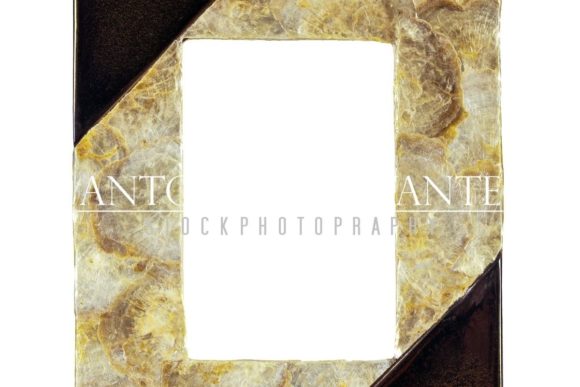
When applied to a frame, nacre introduces a tactile dimension to the viewing experience. It is not merely a static border; it is a dynamic element that interacts with the environment. In a digital context, representing this texture requires high fidelity. The availability of a Photo Frame-made nacre isolated on a white background in Jpeg 300dpi format ensures that designers can capture the intricate details of the shell's surface without losing the subtle gradations of color that give nacre its character.
The isolation of the object against a clean white backdrop serves a critical purpose in modern workflows. It allows for seamless integration into various compositions. By removing the noise of a complex background, the focus remains entirely on the craftsmanship of the frame and the texture of the nacre. This clarity is vital for professionals who need to visualize how the frame will interact with different content types.
Practical Applications Across Creative Industries
The versatility of a high-quality nacre frame extends far beyond traditional wall hanging. Its unique properties make it suitable for a diverse array of applications across multiple sectors.
- Graphic Design and Branding: For luxury brands, packaging often relies on texture to convey premium quality. A Photo Frame motif featuring nacre can be used in marketing collateral, business cards, or website headers to suggest sophistication. The isolated asset allows designers to overlay text or other graphical elements directly onto the frame structure.
- Digital Publishing and Editorial: Editors often seek distinctive borders to highlight special features or interviews. Using a nacre frame isolates the subject matter while adding a touch of organic beauty. The 300dpi resolution ensures that when printed in magazines or brochures, the iridescence of the shell is preserved in sharp detail.
- Interior Visualization: Architects and interior designers utilize these assets to create photorealistic renderings of living spaces. Placing a realistic nacre frame in a rendering helps clients visualize the final look of a room before any physical changes are made.
- Artisanal Craft and DIY Projects: Hobbyists and crafters use these images as templates for cutting machines or as inspiration for handcrafted projects. The detailed texture provides a guide for replicating the effect using real materials or digital painting techniques.
In each of these scenarios, the goal is to elevate the perceived value of the content. The frame acts as a vessel that commands attention, guiding the eye toward the central message or image.
The Technical Advantage of High-Resolution Assets
The success of any visual project often hinges on the technical specifications of the assets used. The specification of Jpeg 300dpi is particularly significant for print-oriented workflows. DPI, or dots per inch, refers to the density of ink droplets placed by a printer. A resolution of 300dpi is considered the industry standard for high-quality printing.
When working with a Photo Frame made of nacre, the resolution becomes even more critical. Unlike a simple geometric shape, nacre possesses microscopic ridges and curves that reflect light. If the image is downsampled to a lower resolution (such as 72dpi, which is typical for web screens), these fine details blur together. The result is a muddy, indistinct appearance that fails to capture the essence of the material.
By utilizing a 300dpi file, professionals ensure that:
- Texture Integrity: The swirling patterns of the mother-of-pearl remain crisp and distinct.
- Color Accuracy: The subtle shifts from cream to pink to green, inherent in nacre, are reproduced faithfully.
- Scalability: The image can be scaled up for large-format prints, such as posters or banners, without pixelation or loss of clarity.
This level of technical precision is what separates amateur designs from professional-grade output. It demonstrates a commitment to quality that resonates with audiences who value aesthetics and durability.
Psychological Impact and Aesthetic Perception
Beyond the technical and practical aspects, there is a psychological component to choosing a nacre frame. Materials evoke emotions and associations. Wood might feel rustic and warm, metal industrial and cold, but nacre feels organic, timeless, and luxurious.
The iridescence of the shell triggers a sense of wonder. It mimics natural phenomena found in the ocean, connecting the viewer to the natural world. In a space dominated by synthetic materials, a Photo Frame with nacre accents offers a moment of respite and connection. This is why it is frequently chosen for spaces intended for reflection, such as libraries, galleries, or meditation rooms.
For educators and researchers studying visual perception, the nacre frame serves as an excellent case study. It challenges the eye to focus on changing light patterns rather than static lines. This dynamic interaction keeps the viewer engaged longer, making the content within the frame more memorable.
Considerations for Implementation
While the benefits of using a nacre-accented frame are clear, successful implementation requires careful consideration of several factors.
Lighting Conditions
Nacre is highly reflective. In a physical setting, the placement of the frame relative to light sources is crucial. Direct sunlight can cause glare that obscures the image inside the frame, while low light may diminish the iridescent effects. Ideally, indirect lighting that grazes the surface of the frame will best highlight the texture of the nacre.
Content Contrast
Because nacre is naturally bright and varied in tone, it pairs best with content that has strong contrast. Dark photographs or bold typography stand out vividly against the pale, shimmering background of the shell. Conversely, very light or pastel images might get lost if the frame is too busy. The Photo Frame-made nacre isolated on a white background asset is useful here because it allows designers to test different background colors digitally before committing to a physical production.
Mixing Materials
In contemporary design, mixing textures is a popular trend. Combining a nacre frame with matte black borders or brushed gold hardware can create a striking juxtaposition. However, care must be taken not to overwhelm the senses. The nacre should be the star of the show, supported by complementary materials rather than competing with them.
Future Trends in Decorative Design
The trajectory of design trends points toward a greater appreciation for sustainable and natural materials. As consumers become more environmentally conscious, materials like nacre (which can be sourced sustainably) gain favor over plastics and synthetic composites. Furthermore, the trend of "biophilic design," which seeks to connect building occupants with nature, supports the continued use of organic textures in frames.
Additionally, the digitization of art and the rise of virtual reality mean that high-fidelity textures like those found in a 300dpi nacre image will become increasingly important. Virtual galleries and digital showrooms require assets that look authentic on screen. The ability to rotate a 3D model of a nacre frame and see the light play across its surface depends entirely on the quality of the source data.
As we move forward, the line between physical and digital design continues to blur. A Photo Frame is no longer just a container for a picture; it is a piece of art in its own right. The nacre accent adds a layer of narrative depth, suggesting stories of the ocean, time, and craftsmanship.
Conclusion
The integration of nacre into photo framing represents a convergence of natural beauty and functional design. Whether utilized in a high-stakes commercial advertisement, a personal home gallery, or an educational presentation, the choice of a nacre-accented frame signals a dedication to quality and aesthetic refinement. The availability of high-resolution, isolated assets empowers creators to experiment and innovate, pushing the boundaries of what a simple frame can achieve.
By understanding the material properties, technical requirements, and psychological impacts of nacre, professionals can leverage these tools to create work that is not only visually stunning but also deeply resonant. As the demand for authentic, textured design grows, the Photo Frame with its nacre detailing remains a timeless and versatile solution for capturing and presenting the world's most precious moments.