Lily: Elevating Your Embroidery Designs with Elegance
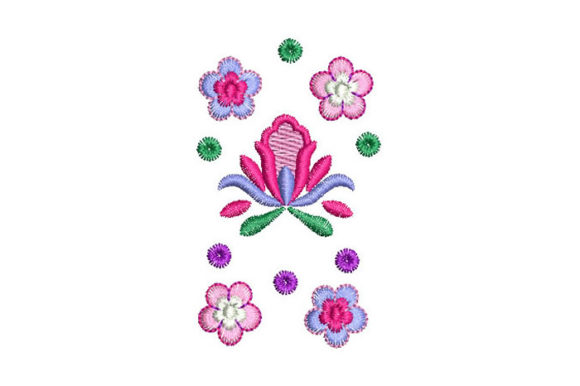
In the world of creative craftsmanship, few elements transform a simple project into a statement piece quite like a well-executed floral motif. The Lily stands as a timeless symbol of purity and renewal, yet its true power in modern design lies in its versatility. When you introduce this beautiful flower embroidery to your projects, you are not merely adding a pattern; you are infusing your work with a nice, elegant, and fresh touch that resonates with anyone who sees it. Whether you are a seasoned professional looking to refine your product line or a hobbyist eager to personalize home decor, understanding how to leverage this specific design can significantly elevate your output.
The integration of the Lily motif is more than an aesthetic choice; it is a strategic decision for creators who value quality and adaptability. This machine embroidery design comes with multiple embroidery file formats, ensuring that it can be used with multiple embroidery machines regardless of their brand or age. This compatibility removes a significant barrier to entry, allowing artists to focus on creativity rather than technical troubleshooting. For small business owners and freelancers, this flexibility translates directly into efficiency, enabling you to fulfill orders across different client setups without needing to re-engineer your designs.
Bridging Creativity and Technical Precision
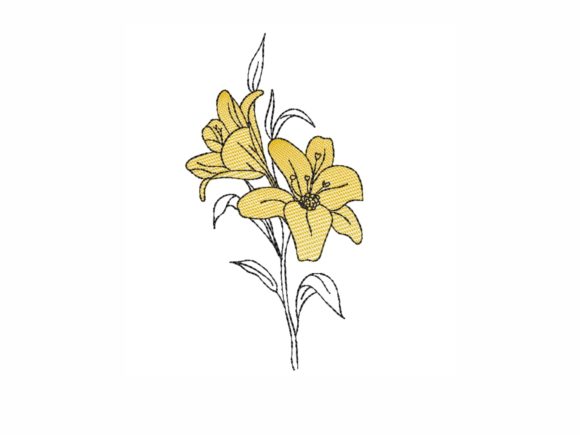
One of the most compelling aspects of working with the Lily design is the seamless blend of artistic expression and technical precision. In practical terms, this means that the intricate details of the petals and leaves are rendered with a clarity that mimics hand-stitched artistry but with the consistency required for mass production. When you stitch it on clothing, decorative pillows, curtains, blankets, and more, the result is a cohesive look that feels intentional and high-end.
Consider the scenario of a blogger or content creator documenting DIY home renovation projects. A plain throw pillow might feel generic, but one adorned with this elegant floral embroidery immediately captures attention. The design adds depth and texture, making the item photogenic and shareable. Similarly, for marketers designing promotional materials, having access to a versatile design allows for rapid prototyping. You can visualize how the Lily looks on a corporate blazer versus a casual summer dress, helping you make informed decisions about branding and product differentiation before a single thread is cut.
Adapting to Diverse Textiles and Applications
The utility of this design extends far beyond a single application. Its ability to be stitched on various fabrics makes it an invaluable asset for entrepreneurs in the textile industry. For instance, a maker producing baby blankets needs a design that is soft to the touch and durable enough to withstand washing. The Lily embroidery offers a solution that balances delicacy with resilience. Because the design is optimized for machine execution, the stitch density can be adjusted to suit the fabric weight, preventing puckering on delicate silks while maintaining definition on sturdy cottons.
For interior designers and decorators, the implications are equally significant. Curtains and drapes often require patterns that can withstand light exposure and frequent cleaning. By incorporating this floral motif, designers can create custom window treatments that bring a sense of freshness to a room without overwhelming the space. The elegance of the Lily ensures that the design remains sophisticated even when scaled up for large surfaces. This scalability is crucial for professionals who need to maintain a consistent brand identity across different product categories.
Streamlining Workflow for Modern Creators
Time is a precious resource for professionals ranging from educators to publishers. The availability of multiple embroidery file formats associated with the Lily design addresses a common pain point in the creative workflow: format conversion. Historically, switching between different embroidery software or transferring designs between machines could lead to data loss or the need for manual re-digitizing. With this design coming pre-formatted for various systems, creators can bypass these technical hurdles.
This efficiency allows users to dedicate more time to the actual creative process. An educator teaching a sewing class, for example, can demonstrate the design's potential without getting bogged down in technical setup. Students can see immediate results, which reinforces learning and keeps engagement high. For independent sellers, the ability to quickly adapt a design for different machines means they can accept orders from clients who use older or less common equipment, thereby expanding their market reach.
Furthermore, the clean lines and structured nature of the Lily motif simplify the decision-making process regarding color palettes. The design works harmoniously with a wide range of thread colors, from pastels that enhance its fresh appearance to deep jewel tones that highlight its elegance. This versatility reduces the cognitive load on the designer, allowing them to experiment with color combinations that align with current trends or seasonal themes without worrying about the underlying structure of the embroidery failing to support the chosen palette.
Navigating Limitations and Fit Considerations
While the benefits of using the Lily design are substantial, it is important to approach any tool with a clear understanding of its limitations. No single embroidery design is a universal fit for every situation. The complexity of the stitches may require specific hoop sizes or stabilizers depending on the fabric being used. For example, attempting to stitch this design on a very loose-weave fabric without proper backing could result in distortion. Professionals must assess the tension and stability of their materials before beginning the project.
Additionally, while the design supports multiple file formats, the final output quality can still depend on the capabilities of the specific machine being used. High-end commercial machines will render the fine details with greater precision than entry-level domestic models. Users should compare options and test samples to ensure the design meets their quality standards. It is also worth noting that while the design is adaptable, certain complex variations might not translate perfectly if the machine lacks advanced features like automatic thread trimming or multi-needle capabilities.
Empowering Goals Through Thoughtful Design
Ultimately, the value of this embroidery design lies in its ability to support the broader goals of the user. For those aiming to strengthen communication through visual storytelling, the Lily serves as a powerful symbol. It conveys messages of growth, beauty, and care, which can be particularly effective in gift-giving contexts or therapeutic settings. A handmade blanket embroidered with this motif tells a story of effort and affection, adding emotional weight to the physical object.
For entrepreneurs focused on increasing efficiency and improving presentation, the reliability of this design is a key factor. Consistent results build trust with customers. When a client receives a product that matches the preview exactly, it validates their investment and encourages repeat business. The fresh touch provided by the floral element helps products stand out in crowded marketplaces, offering a competitive edge that is both visual and experiential.
As you consider integrating this design into your portfolio, remember that the true impact comes from how you apply it. Whether you are stitching it on clothing to add a unique flair to a fashion line, or decorating pillows to refresh a living space, the Lily provides a foundation of elegance that elevates the entire project. By choosing a design that offers both aesthetic appeal and technical robustness, you are investing in a tool that supports your long-term success and creative freedom.
The journey from concept to finished product is smoother when you have reliable resources at your disposal. This machine embroidery design, with its broad compatibility and refined aesthetic, represents just such a resource. It invites you to explore new possibilities, solve problems related to production consistency, and ultimately deliver work that speaks to the heart of your audience. As you move forward with your next project, let the elegance of the Lily guide your choices, ensuring that every stitch contributes to a result that is both beautiful and functional.