Rose and Flowers: Elevating Your Home with Timeless Embroidery
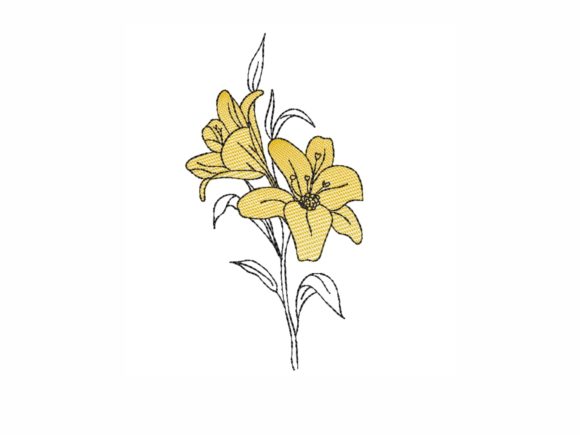
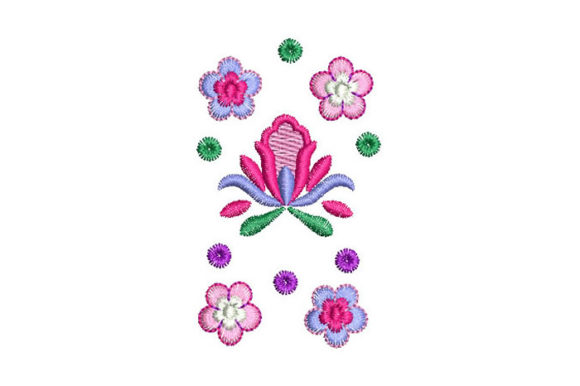
There is a specific kind of magic that happens when you transform a plain, functional object into a piece of art. This is the essence of Rose and Flowers embroidery. It is not merely about stitching petals onto fabric; it is about infusing your living space with color, personality, and a touch of handmade elegance. Whether you are looking to refresh a set of bed sheets, add a pop of vibrancy to decorative pillows, or create custom curtains that catch the light beautifully, this lovely floral design serves as an incredibly fun embellishment for any home decor project.
The appeal of this machine embroidery design lies in its versatility and the sheer joy it brings to the crafting process. Unlike rigid patterns that demand perfection, floral motifs like Rose and Flowers offer organic shapes that forgive minor imperfections while delivering stunning results. However, many enthusiasts rush into downloading and applying these designs without considering the technical nuances involved. To ensure your projects look professional rather than amateurish, it is essential to understand the common pitfalls associated with choosing and executing floral embroidery.
Choosing the Right File Format for Your Machine
One of the most frequent mistakes beginners make is assuming that all embroidery files work on every machine. While the visual beauty of the Rose and Flowers design remains constant, the digital language used to communicate that design varies significantly between brands. You might purchase a high-quality design only to find your machine cannot read the file extension. This leads to frustration, wasted time, and potentially ruined fabric if you force a wrong format through the hoop.
To avoid this, always verify which formats your specific embroidery machine supports before purchasing or downloading. Common formats include .PES for Brother machines, .DST for industrial use, .JEF for Janome, and .EXP for Bernina. The best approach is to look for bundles that include multiple file formats. A comprehensive package ensures that whether you own a budget-friendly hobbyist model or a high-end professional unit, the design will transfer seamlessly. Always check the product description carefully to confirm compatibility with your hardware.
The Hidden Cost of Poor Stabilization
Even with the perfect file format, the physical execution of a floral design can go awry due to incorrect stabilization. Floral embroidery often involves dense stitching and varying thread densities, particularly around the center of the rose and the delicate edges of the leaves. If you skip the step of using the appropriate stabilizer, the fabric may pucker, shift, or tear under the tension of the needle.
A common error is using a lightweight cut-away stabilizer for heavy cotton bedsheets or a water-soluble topping for delicate curtains. This mismatch affects the structural integrity of the final piece. For thick materials like denim or heavy canvas, a heavy-duty cut-away stabilizer is necessary to prevent the design from sinking into the fabric. Conversely, for sheer fabrics like voile curtains, a temporary water-soluble stabilizer provides support during stitching and disappears afterward, leaving no residue. Taking the time to match the stabilizer to the base fabric is crucial for maintaining the crispness of the Rose and Flowers pattern.
Understanding Hoop Size and Design Dimensions
Another overlooked detail is the relationship between the design size and the hoop size available on your machine. Many creators assume they can enlarge a small design to fit a large pillow without consequence. While modern software allows for resizing, stretching a floral motif too much can distort the proportions of the petals and leaves, making them look unnatural. Furthermore, if the design exceeds the maximum dimensions of your machine's hoop, you risk incomplete stitching or the need for complex re-hooping, which often results in misalignment.
Before starting, measure your intended project area and compare it to the design dimensions provided in the file details. If you are embroidering on a standard 5x7 inch pillowcase but the design is 6 inches wide, you must either resize the design proportionally or choose a different pattern. Do not simply stretch the image; instead, select a version of the Rose and Flowers design that fits your canvas naturally. This preserves the aesthetic balance and ensures the flowers look authentic rather than stretched and distorted.
Selecting the Right Thread and Needle
The choice of thread and needle plays a pivotal role in the durability and appearance of your embroidery. Using cheap, low-quality polyester thread can lead to lint buildup in your machine and dull, faded colors over time. For a design as colorful and pretty as Rose and Flowers, investing in high-quality rayon or premium polyester threads is non-negotiable. These threads have a natural sheen that mimics the luster of real flower petals, adding depth and dimension to the artwork.
Additionally, consider the needle type. A universal needle might be sufficient for woven fabrics, but for knits or stretchy materials like jersey bedsheets, a ballpoint or stretch needle is required to prevent skipped stitches and fabric damage. Using the wrong needle can cause the thread to break frequently or create unsightly holes in the material. By selecting the correct tools, you ensure that the intricate details of the floral design remain sharp and vibrant throughout the life of the item.
Evaluating Design Complexity and Stitch Count
Not all floral designs are created equal, and understanding stitch count is vital for efficiency and quality. A highly detailed Rose and Flowers pattern might contain thousands of individual stitches. While this sounds impressive, it also means longer machine run times and increased wear on your equipment. More importantly, extremely dense stitching can make the finished fabric stiff and uncomfortable, especially for items that will be touched frequently, such as throw pillows or bedding.
If comfort is a priority, look for designs that utilize satin stitches and fill stitches efficiently rather than relying solely on dense running stitches. A well-balanced design will offer visual richness without sacrificing the soft hand-feel of the fabric. When comparing options, check the estimated stitch count and runtime. A design that takes four hours to stitch might be overkill for a simple curtain tie-back, whereas a shorter, elegant variation might be perfect for that same application.
Making the Final Decision with Confidence
Ultimately, the success of your project depends on preparation and realistic expectations. Before buying or downloading a Rose and Flowers embroidery design, take a moment to review the following checklist:
- Format Compatibility: Does the package include the file type your machine reads?
- Stabilizer Needs: Have you selected the correct stabilizer for your fabric weight?
- Hoop Fit: Will the design dimensions fit within your machine's hoop limits?
- Thread Quality: Are you using high-quality threads that complement the design's color palette?
- Comfort Factor: Is the stitch density appropriate for the intended use of the item?
By addressing these factors proactively, you avoid the disappointment of a botched project and ensure that your home decor reflects the care and creativity you put into it. The Rose and Flowers design is more than just a pattern; it is a gateway to personalized, beautiful interiors. With the right knowledge and preparation, you can transform ordinary textiles into extraordinary treasures that bring joy to your daily life.
Remember, the goal is not just to complete a task but to create something that lasts. Whether you are a seasoned professional or a beginner exploring the world of machine embroidery, taking the time to understand the mechanics behind the art will yield superior results. Embrace the process, respect the materials, and let the colorful beauty of floral embroidery shine through in every stitch you make.